
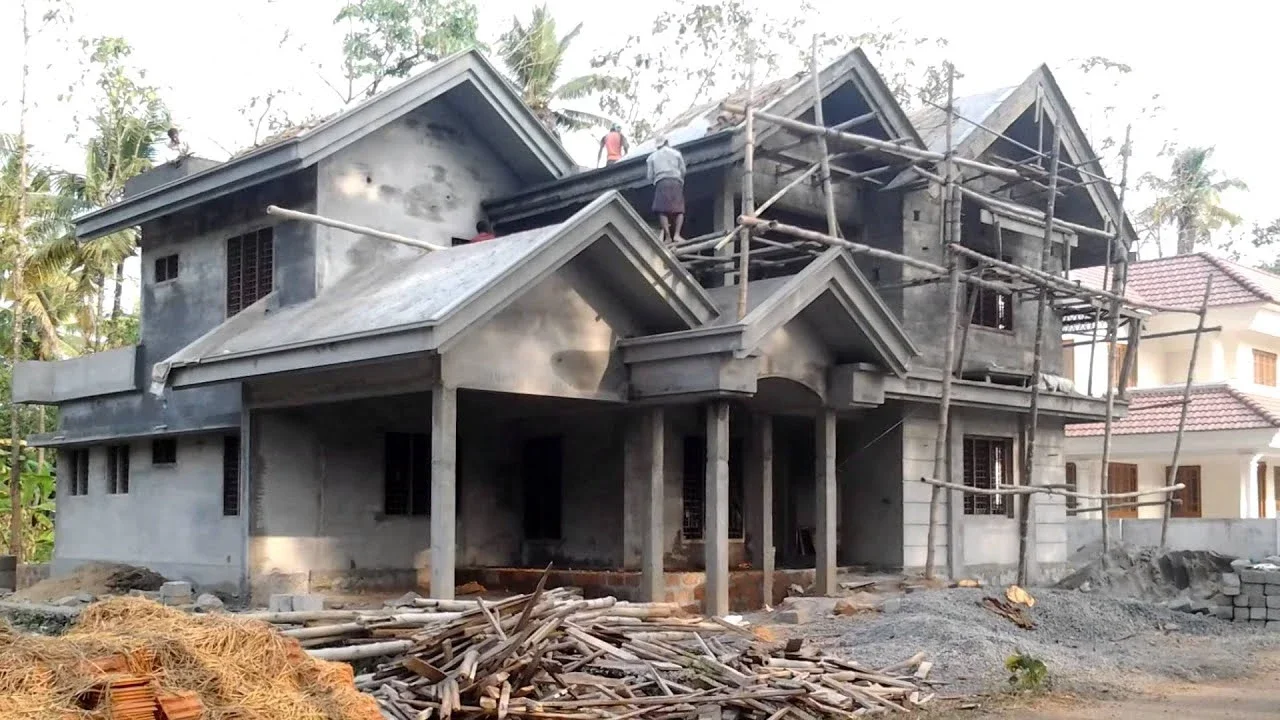
A vacant house may still contain live utilities, concealed damage, and materials requiring special handling. Before Atlanta home demolition, owners need to understand the building and the property's intended use afterward. A full teardown differs from selective removal in a structure that will remain standing. Permits, neighboring buildings, trees, access, and debris disposal shape the sequence. Early investigation protects the demolition schedule and the next construction phase. Owners should also record property boundaries and investigate existing service connections. This preparation helps prevent redevelopment plans from depending on assumptions made before the first wall is removed.
Atlanta Home Demolition Starts With Records and Utility Isolation
Review property boundaries, records, and demolition limits before equipment arrives. For Atlanta home demolition, confirm electrical, gas, water, and sewer disconnections with the appropriate providers. On Point Builders describes demolition as part of residential redevelopment and identifies access and surrounding conditions as planning concerns. Utility isolation and qualified assessment need documented confirmation rather than assumptions based on an empty building.
- Identify utility owners and record the required disconnection procedures before removal.
- Confirm which trees, walls, and neighboring structures require protection during access.
- Define the debris route and equipment staging area before work begins.
Residential Demolition Contractors in Atlanta, GA Need a Defined Site Boundary
Homeowners comparing residential demolition contractors in Atlanta, GA should request a plan for machinery, debris bins, and separation from adjacent properties. Tight lots can complicate safe access and material staging. Atlanta maintains a demolition permitting process, with requirements depending on the property and scope. Establish who submits permit documents and who controls the work area before scheduling removal or redevelopment.
The Scope of Interior Demolition Contractors in Atlanta Requires Precision
Selective removal identifies the fixtures and structural elements that must remain. For projects involving interior demolition contractors in Atlanta, an appropriate professional should assess load paths and concealed services first. On Point Builders' documented Kirkwood project involved stripping a residence to its framing before expansion. That example shows why interior removal cannot become unrestricted clearing when the retained structure must support new work.
| Existing condition | Required check | Planning implication |
|---|---|---|
| Utilities unverified | Confirm isolation | Delayed start |
| Suspected hazard | Qualified assessment | Special handling |
| Retained framing | Review load paths | Removal limits |
| Limited site access | Map equipment routes | Staging restrictions |
A Site Clearance Review Before the Next Foundation
Mark demolition boundaries. Photograph adjacent features and confirm debris removal, grading, and soil protection. For owners comparing residential demolition contractors in Atlanta, GA, assign responsibility for final clearance and site condition. Compare the footprint with proposed foundation and access needs. An empty lot is not automatically ready for construction.
For interior demolition contractors in Atlanta, identify retained elements and structural reviews. For redevelopment, record site handover conditions. Demolition should connect with construction at an inspectable transition, especially where buildings, utilities, or trees complicate removal. Those boundaries need to be clear before work starts and should remain recorded throughout the project.
Demolition Managed With the Next Construction Phase in View
Removal serves a defined purpose. On Point Builders connects residential demolition with future construction. Its portfolio includes a Sandy Springs project where an existing home was removed before a custom residence was built. That supports discussion about access, trade coordination, and redevelopment readiness. Demolition needs an explicit scope connected to the work following clearance.
After clearance, On Point Builders offers custom homes and additions, connecting removal to building work. The company describes permitting coordination, site oversight, and organized schedules. Those practices frame responsibility for the cleared lot and handover. Responsible demolition means controlled work and a site demonstrably suited to its intended next use.
Frequently Asked Questions
- Does demolishing an Atlanta house require a permit?
Yes. House removal in Atlanta generally requires a demolition permit. Confirm the applicable documentation for the property before beginning work.
- Can utilities remain connected during building removal?
No. Utilities require safe isolation or protection under applicable procedures. Obtain written confirmations before any demolition work begins.
- Should older buildings receive hazardous material assessments?
Yes. Suspected asbestos, lead, or other regulated hazards warrant qualified evaluation. Handling and disposal must follow all applicable requirements.
- Is selective demolition always safe for load bearing walls?
No. Retained walls may carry loads. Obtain structural review and document any required temporary support before altering them.
- Does a cleared lot automatically support new construction?
No. Soil, drainage, and utility conditions still require assessment. Prepare the lot according to the planned redevelopment and foundation design.