
Common Mistakes to Avoid During House Demolition Projects
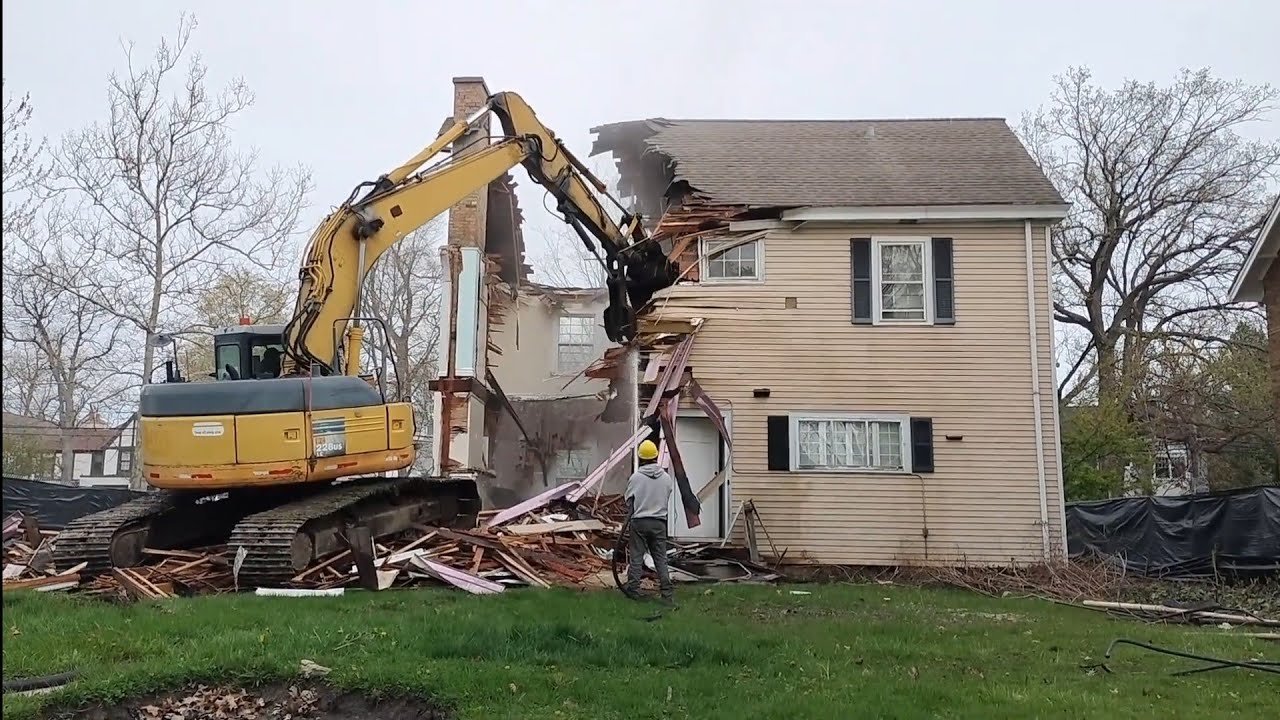
Most property owners who need a structure removed assume the process is simpler than a build. In practice, demolition has its own set of technical requirements, regulatory obligations, and site risks that are just as consequential as those involved in new construction. Approaching house demolition in Atlanta without the right contractor, the right permits, and the right sequence of steps creates problems that can delay the next project for months and expose the property owner to liability that extends well beyond the cost of the demolition itself. Understanding where these mistakes happen is the first step to avoiding them entirely.
Skipping Permits Is the Mistake That Creates the Biggest Downstream Problems
Demolition in Atlanta requires permits, and the permit process exists for reasons that protect both the property owner and the surrounding community. Safe demolition services in Atlanta begin with proper permitting because without it, the work cannot be verified as compliant, the site cannot be legally cleared for the next phase of development, and the property owner takes on personal liability for anything that goes wrong during the tear-down.
House teardown services in Atlanta that include permit management as part of the scope give property owners the protection of documented compliance from the start. That documentation matters not just during the demolition itself but when the next contractor arrives to build on the cleared site, when financing for a new build is secured, and when the property eventually changes hands.
Utility Disconnection Has to Happen Before Demolition Begins
One of the most serious and most preventable demolition mistakes is failing to confirm that all utilities are fully disconnected before any physical work starts. Gas lines, electrical service, water, and sewer connections must all be formally terminated and verified with the relevant utility providers before demolition equipment touches the structure. Safe demolition services in Atlanta from a contractor with proper process include utility disconnection verification as a mandatory pre-demolition step rather than an assumption that someone else has handled it.
Not Accounting for Hazardous Materials Adds Cost and Liability
Older structures in Atlanta frequently contain asbestos, lead paint, or other regulated materials that cannot simply be demolished and disposed of through standard channels. The presence of these materials requires specific abatement protocols before demolition begins, and failing to identify and address them creates serious environmental and legal exposure. House teardown services in Atlanta on structures built before 1980 should always include a professional assessment for regulated materials before any demolition scope is finalized or priced.
Ignoring Adjacent Structures During Demolition Planning
Urban and suburban Atlanta lots often sit in close proximity to neighboring structures, utility lines, and infrastructure that must be protected during demolition. Atlanta structure removal services that account for adjacent conditions in the planning phase approach the tear-down with a method designed to contain the work within the target property rather than creating impact that extends beyond it.
The Lowest Bid Is How Most Demolition Projects Go Wrong
The lowest bid on a demolition project almost always reflects something that was left out of the scope. It might be permit fees, debris removal, utility coordination, or hazardous material handling. When those items are excluded from the bid and later surface as additional costs, the project that seemed economical becomes more expensive than a properly scoped contract would have been from the start. Atlanta structure removal services priced with full transparency about what is and is not included give property owners an accurate baseline for comparison rather than a number designed to win the job and renegotiate later.
Demolition Done Right Sets Up Everything That Comes After It.
On Point Builders GA treats demolition as the first chapter of a build story rather than a standalone removal job. The site condition delivered at the end of demolition needs to be one on which the next construction phase can start cleanly, which means proper permitting, verified utility disconnection, hazardous material handling, and full debris removal are all part of the standard scope rather than optional additions negotiated after the job is won.
Atlanta structure removal services are planned with the follow-on construction in mind from day one, so the cleared site matches what the next phase actually requires rather than creating new work before new work can begin. Every demolition handled here is scoped honestly, permitted correctly, and completed with the same accountability standard that applies to every other project On Point Builders GA takes on.