
How to Plan a Successful Home Renovation From Start to End
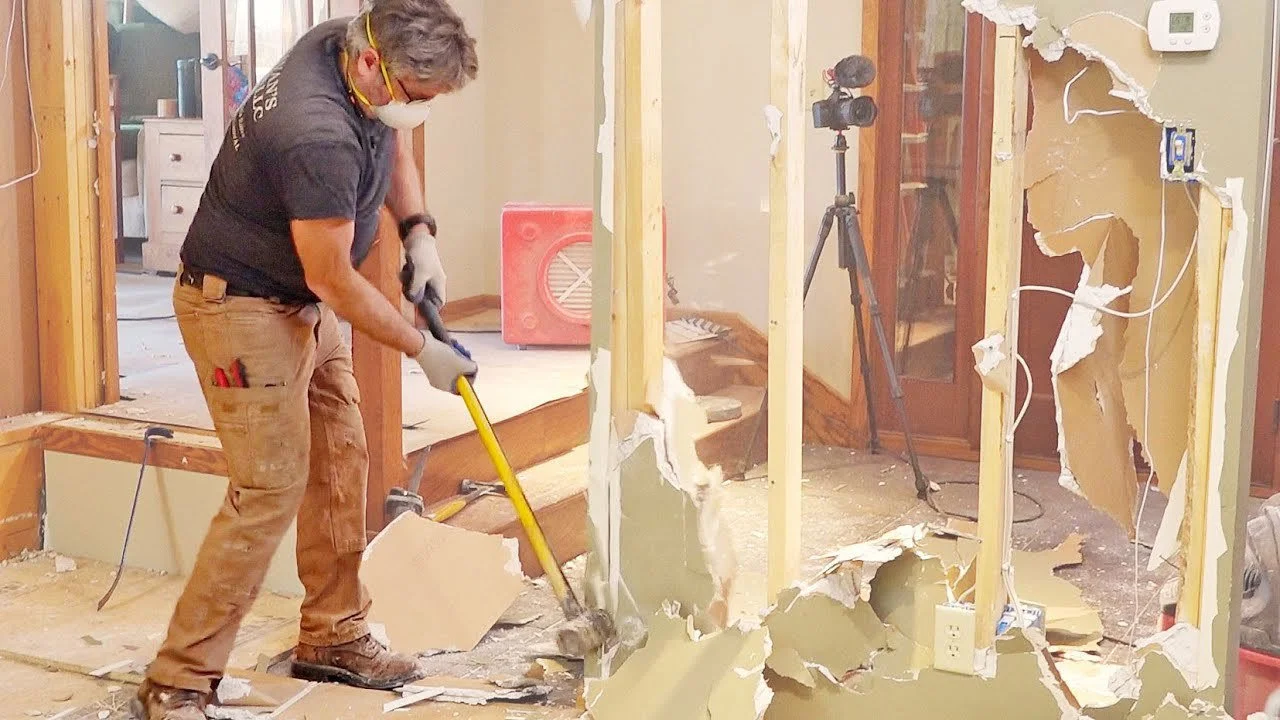
The renovations that finish on time, within budget, and looking the way the homeowner imagined share one characteristic that failed renovations almost never do: a properly built plan that was in place before the first wall was touched. Home renovation in Atlanta is not a simple process even when the scope seems contained, because every existing structure carries conditions that are not visible until work begins, and the only way to handle those discoveries without derailing the project is to have a plan flexible enough to absorb them while still maintaining the overall direction. Getting that plan right before construction starts is where successful renovations are won.
Defining the Scope Is Not a Formality. It Is the Whole Game.
Residential renovation in Atlanta projects that start without a clearly defined scope document almost always end with a list of things the homeowner expected that the contractor did not include. A complete scope document specifies what is being renovated, what materials are being used, what the existing structure requires before updates can happen, and what the finished condition needs to look like for the project to be considered complete. When that document exists and both parties have agreed to it before work begins, the renovation has a reference point for every decision made during the build.
Full home renovation in Atlanta projects carry additional complexity because the scope document needs to account for how different phases of the renovation interact with each other. Updating the kitchen before addressing the plumbing that feeds it, or renovating a bathroom without accounting for the electrical panel capacity, creates sequencing problems that cost significantly more to fix mid-project than they would have cost to plan correctly at the start.
Setting a Realistic Budget Before Work Begins
Budget is where most renovation plans break down, and it almost always breaks down for the same reason: the initial number was built without a detailed scope, so it had no way to account for what the work actually requires. A realistic renovation budget includes not just material and labor costs but contingency for conditions discovered after work begins, permitting fees, inspection costs, and any temporary accommodations required while certain areas of the home are out of service.
Material costs are specified by product and quantity rather than estimated by category.
Labor pricing confirmed with actual trade quotes rather than general estimates.
Contingency allocation of ten to fifteen percent for unforeseen structural or system conditions.
Permit and inspection fees are included in the total budget from the start.
Temporary living or operational costs should be accounted for if major areas will be out of use.
Home improvement contractors in Atlanta who build budgets this way give clients numbers they can plan around rather than numbers that inflate as the project develops.
Sequencing the Work So Each Phase Sets Up the Next One
Trade sequencing is one of the most overlooked elements of renovation planning and one of the most consequential when it is wrong. Electrical rough-in must happen before drywall. Plumbing must be addressed before tile. HVAC must be in place before insulation. Home improvement contractors in Atlanta who organize their trade schedule correctly move through a renovation without the delays and backtracking that come from having trades step on each other's work or waiting for a prior phase to be corrected before the next one can begin.
Living in the Home During Renovation Requires Its Own Plan
Many Atlanta homeowners renovate while continuing to live in the home, which adds a layer of planning that goes beyond construction. Work areas need to be defined and separated from living areas so the household can function while construction is active. Dust, noise, and access to bathrooms and kitchens need to be managed in a way that keeps daily life workable throughout the project. Full home renovation in Atlanta projects where the homeowner remains in residence require this planning layer from the beginning rather than as an afterthought once construction has already started and the impact on daily life becomes obvious.
Communication Throughout the Project Is Not Optional
A renovation project where the homeowner does not hear from the contractor unless something goes wrong is a project where problems are discovered later than they should be, and decisions get made without the homeowner's input because waiting for their response would have slowed the work. Residential renovation in Atlanta that includes a defined communication structure keeps the homeowner informed at each phase milestone, so decisions that require their input happen on schedule rather than as surprises that stop the project while the homeowner catches up.
The Renovation Plan Is What Turns a Vision Into a Finished Room
On Point Builders GA builds the planning foundation into every renovation project before any work begins, because a scope document, a sequenced trade schedule, and an honest budget are not administrative steps that slow the process down. They are the structure that keeps the project from drifting the moment something unexpected is discovered behind a wall.
Full home renovation in Atlanta projects handled here are managed with the same direct site involvement and consistent communication from start to final walk-through. Every phase is coordinated before it begins, every trade knows what they are following and what they are setting up for, and the homeowner stays informed rather than left wondering what is happening on their own property.