
What Should You Bring to a Home Builder Consultation in Atlanta, GA?
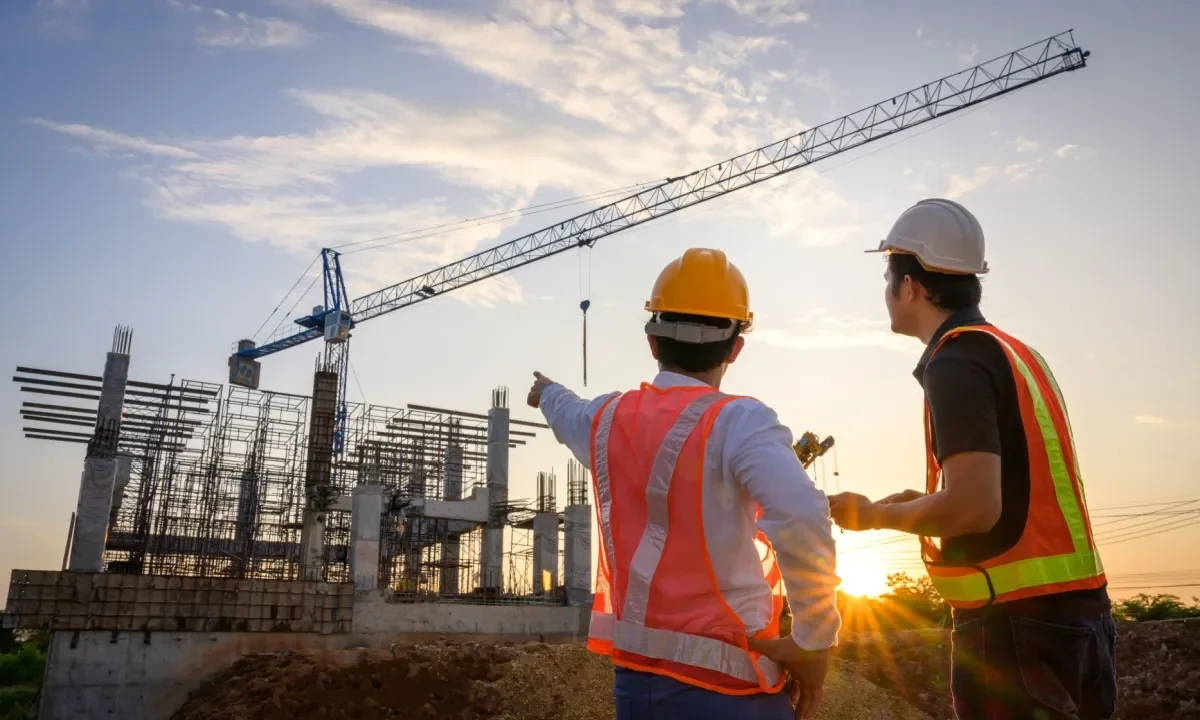
Choosing someone to build your home is not simply a matter of comparing galleries and deciding which finished property looks best. The working method behind those photos deserves equal attention. When homeowners compare a home builder in Atlanta, GA, they should look for signs that the company understands the type of home being planned and has a clear way to carry that responsibility through construction.
At On Point Builders GA, we work across custom homes, new builds, investment homes, spec builds, and townhomes. That experience has taught us that a meaningful builder comparison starts with what will actually happen on the project rather than broad promises.
Home Builder in Atlanta, GA Should Define Responsibility
One of the first things worth examining is where responsibility sits once work begins. A home builder in Atlanta, GA should be able to explain how the project moves from initial planning into active construction and who remains involved during that transition.
We focus on direct involvement throughout our projects. That includes defined build stages and ongoing site oversight rather than treating construction as a series of disconnected tasks.
When comparing companies, consider whether you understand:
Who oversees activity on the site
How different build stages connect
When major decisions need to be finalized
How questions are handled during active work
These practical details can tell you more than a general statement about quality.
Match Builder Experience With Your Actual Project Type
Not every residential project has the same purpose. A custom residence built around the homeowner's needs is different from an investment property or a speculative home created with future buyers in mind.
This is where Atlanta residential builders should be considered in relation to the project you actually want completed. Our custom homes focus on structure, flow, and long-term use while our spec projects involve early decisions around layouts, materials, and market expectations.
Atlanta Residential Builders Need Practical Layout Thinking
A floor plan can appear attractive on paper while still requiring careful thought about construction and everyday use. The way a builder approaches layout is therefore another useful comparison point.
At On Point Builders GA, residential planning considers structure, flow, livability, and long-term use. Atlanta residential builders working on different housing types should be able to connect design decisions with how the residence will function once complete.
For custom construction, this means looking beyond finishes. For townhomes, consistent spacing and coordinated phases also matter. For investment homes, practical planning becomes part of supporting long-term ownership goals.
Written Scope Can Show How Clearly Builders Think
Homeowners should pay close attention to how clearly the expected work is defined. On Point Builders GA emphasizes clear scopes because they establish what the project includes before different construction phases begin.
A home building company in Atlanta, GA should give clients enough clarity to understand what is being planned rather than leaving important details open to interpretation.
A useful project discussion should address areas such as:
Intended construction scope
Layout and structural considerations
Major project selections
Defined build stages
Expected project responsibilities
Look For Site Management Beyond Initial Planning
Planning matters, but eventually the project moves onto the site. That is when the builder's operating style becomes particularly important.
Among Atlanta residential builders, homeowners should consider whether involvement continues after plans and selections have been discussed. On Point Builders GA maintains hands-on oversight through active construction with organized timelines and coordinated stages.
A builder's role should not feel unclear once work begins. When looking at a home builder in Atlanta, GA, ask how site activity is followed and how responsibility is maintained as different phases progress.
Home Building Company in Atlanta, GA Needs Accountability
Responsibility should not suddenly disappear when the final construction stage arrives. On Point Builders GA approaches its work with accountability that extends beyond the final walk-through and publishes warranty information for new-build work.
When considering a home building company in Atlanta, GA, review whether the company clearly communicates what happens near completion and what responsibility remains afterward.
Choose A Builder By How They Actually Work
At On Point Builders GA, we believe a good builder comparison should focus on substance. The right home building company in Atlanta, GA for your project should fit the type of residence you are planning and provide a clear approach to scope, layout, site involvement, and responsibility.
If you are planning residential construction in Atlanta, speak with our team about your goals and the type of home you want to build. We can explain our approach so you can decide whether working with us makes sense for your project.
Frequently Asked Questions
What should I compare before choosing a home builder?
Compare the builder's project experience, construction scope, site involvement, planning approach, and responsibility throughout the build.
Why does residential project experience matter when choosing?
Different residential projects have different purposes. Custom homes, investment builds, spec homes, and townhomes each require planning that reflects their intended use.
Should I ask who manages construction on site?
Yes. Understanding who remains involved during active construction can help clarify responsibility as different stages and trades move forward.
Why should I review the proposed project scope?
A defined scope helps you understand what the builder plans to complete and how known project requirements have been organized before work begins.
Does On Point Builders GA offer custom home construction?
Yes. We build custom homes with attention to structure, flow, practical layouts, coordinated planning, defined construction stages, and long-term use.